-
How I Configured MFA for Exchange OWA and Windows Endpoints Using ManageEngine ADSelfService Plus
Introduction In this post, I will walk you through how I configured and tested Multi-Factor Authentication (MFA) using ManageEngine ADSelfService Plus for both Windows endpoints and Exchange OWA. I set this up in my lab environment, which includes: This guide will help you secure access to both OWA and Windows login with MFA. 🔧 Step…
-
Securing Exchange Management Shell (EMS)
When managing Exchange Server, the Exchange Management Shell (EMS) is one of the most powerful tools at my disposal. But with great power comes great responsibility—especially when it comes to security. In this post, I’ll walk through best practices for securing EMS to prevent unauthorized access and reduce risk in an enterprise environment. What is…
-
Sending Spoofed Emails via Telnet and Analyzing Message Headers (Plus Mass Mail Deletion Script)
Introduction In this post, I will demonstrate how an email can be sent using Telnet — often mimicking spam or spoofed emails — and how to analyze the message headers to trace its source. I’ll also show you how to delete all emails from all mailboxes using a PowerShell script (for example, in an Exchange…
-
How I Safely Resize Azure VMs (Change SKU Without Breaking Things)
Sometimes I need to upgrade or downgrade a virtual machine in Azure — maybe to get more CPU, RAM, or premium disk support. Instead of rebuilding from scratch, I just resize the VM by changing its SKU. Here’s exactly how I do it safely, step-by-step. ✅ When Do I Resize a VM? I usually resize…
-
🔍 How to Find Which Azure Disk Is Attached to Which Drive Letter Inside a VM
When working with Azure virtual machines, especially those using multiple data disks, it’s important to know which Azure managed disk maps to which drive letter inside the Windows OS. This helps with troubleshooting, performance tuning, and disk expansion tasks. In this blog, I’ll show you how I match Azure disk names to Windows drive letters…
-
Attaching and Resizing OS & Data Disks in Azure VMs
Hey everyone! In this post, I’ll cover how to attach and resize both OS and data disks in Azure Virtual Machines. These are essential tasks if you’re managing virtual machines in the cloud — especially when you run into storage or performance issues. 🔷 What’s the Difference? Before jumping in, here’s a quick reminder: Now…
-
Difference Between OS Disk and Data Disk in Azure
Hey friends! In this post, I want to explain a basic but important concept in Azure: the difference between an OS disk and a data disk on a Virtual Machine. If you’re managing Azure VMs, understanding this helps you plan storage, backups, performance, and even VM recovery better. 🔹 What is an OS Disk? The…
-
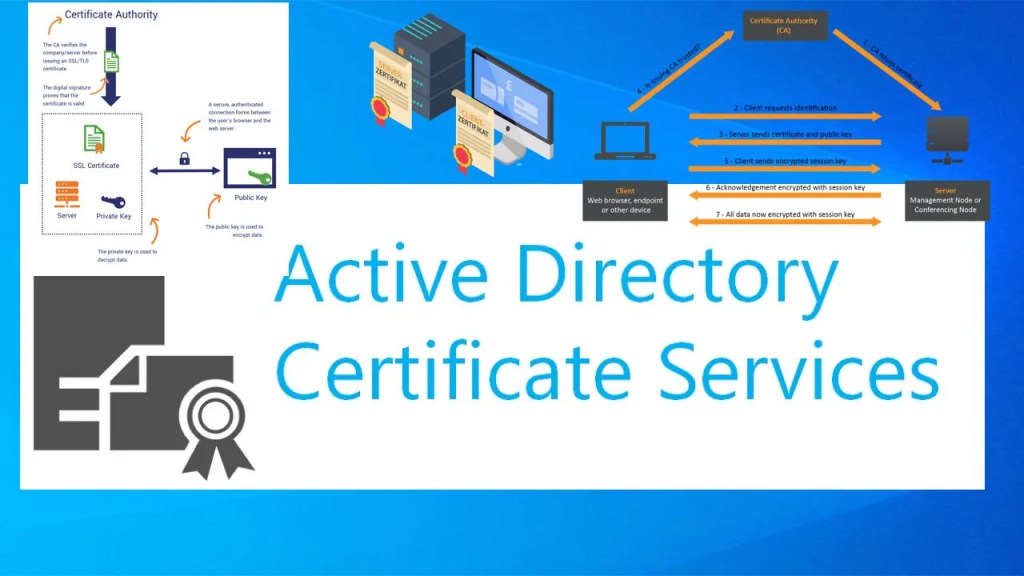
How I Installed and Configured Active Directory Certificate Services (AD CS)
To set up my internal Certificate Authority (CA), I installed and configured Active Directory Certificate Services on my domain-joined Windows Server. Here’s how I did it: ✅ Prerequisites: 🔹 Step: Install and Configure AD Certificate Services (CA) Step1: Install AD CS Role and Services Option1: On a domain-joined server, install AD CS: Install-WindowsFeature AD-Certificate -IncludeManagementTools…
-
📝 How I Changed My Azure VM’s Network to a Custom Subnet (10.10.10.0/24)
When I first created a Virtual Machine (VM) in Azure, I used the default network settings. Azure automatically created a Virtual Network (VNet) with the following: This worked fine at first. But as I started planning for a more structured environment—maybe with multiple subnets or peered VNets—I realized I needed to move everything to a…
-
Basic Configuration of Exchange Server 2019 on Windows Server 2025
After installing Exchange Server 2019 on Windows Server 2025, the next step I took was configuring the server for actual email flow, user access, and security. This post covers the initial setup tasks I performed to get everything working smoothly. 1. Accepted Domains In Exchange Server, Accepted Domains define which SMTP domains your organization can…